

Understanding the psychology of investing is crucial for making sound financial decisions. Our emotions often interfere with rational investing, leading to costly mistakes. This article explores the cognitive biases and psychological factors that influence our investment choices, providing practical strategies to overcome these challenges and achieve your financial goals. Learn how to cultivate a disciplined approach to investing, manage risk effectively, and ultimately build a strong financial future.
Understanding Investor Psychology and Market Behavior
Understanding investor psychology is crucial for making sound financial decisions. Market behavior is significantly influenced by collective investor emotions, leading to periods of irrational exuberance or unwarranted pessimism. Fear and greed are primary drivers, often causing investors to make impulsive decisions, contradicting rational financial planning.
Herding behavior, where investors mimic the actions of others, can amplify market trends regardless of underlying fundamentals. Confirmation bias, the tendency to seek out information confirming pre-existing beliefs, further exacerbates this effect. Investors often overestimate their ability to predict the market (overconfidence bias) and struggle to accept losses (loss aversion), impacting investment strategies.
Recognizing these psychological biases is vital. By understanding how emotions and cognitive shortcuts affect decision-making, investors can develop strategies to mitigate their influence. This might involve diversifying investments, setting stop-loss orders, or seeking professional financial advice to maintain objectivity and rationality.
The Role of Fear and Greed in Investing
Fear and greed are powerful emotions that significantly influence investor behavior, often leading to irrational decisions. Fear, particularly the fear of missing out (FOMO) or experiencing losses, can cause investors to act impulsively, making hasty purchases or holding onto losing investments for too long. This can result in suboptimal portfolio performance.
Conversely, greed can lead to overconfidence and excessive risk-taking. Chasing high returns without adequate research or diversification can expose investors to substantial losses. The pursuit of quick profits often overshadows sound financial planning and risk management strategies.
Understanding the impact of these emotions is crucial for making better investment choices. Rational decision-making requires acknowledging and managing these feelings. Strategies such as setting clear financial goals, diversifying investments, and sticking to a long-term plan can help mitigate the negative influence of fear and greed.
Ultimately, successful investing involves cultivating emotional intelligence and developing a disciplined approach. This includes recognizing when fear and greed are driving decisions and taking steps to counteract their effects. A balanced perspective, grounded in research and objective analysis, is key to navigating the complexities of the market and achieving long-term financial success.
How to Avoid Emotional Decision-Making in Trading
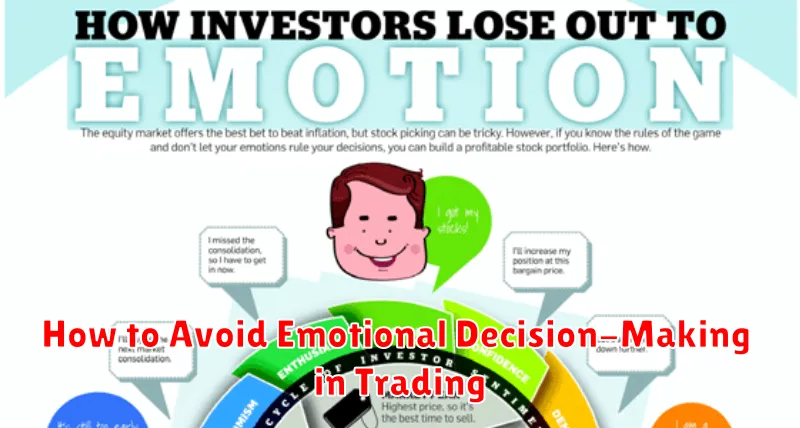
Emotional decision-making is a significant obstacle to successful trading. Fear and greed are primary culprits, driving impulsive actions that often lead to losses. To mitigate this, develop a well-defined trading plan with clear entry and exit strategies. This plan should be based on objective analysis, not gut feelings.
Sticking to your plan is crucial. Avoid reacting to short-term market fluctuations; instead, focus on your long-term goals. Discipline is paramount. Record your trades and analyze your performance to identify patterns in emotional responses. This self-awareness allows you to recognize and address these triggers before they impact your trading decisions.
Diversification can also reduce the emotional impact of individual trades. By spreading your investments, the effect of a single loss is lessened, reducing the urge to make rash decisions to recoup losses quickly. Consider seeking guidance from a financial advisor; an objective perspective can help manage emotional biases.
Finally, managing stress and maintaining a healthy lifestyle are important. Stress can amplify emotional responses, so prioritize sufficient sleep, regular exercise, and mindfulness practices to improve your overall mental clarity and decision-making abilities. Self-awareness and a disciplined approach are fundamental to avoiding emotional trading.
The Impact of Cognitive Biases on Investment Choices
Investing involves making crucial financial decisions, yet our judgment is often clouded by cognitive biases—systematic errors in thinking that affect how we perceive and process information. These biases can lead to poor investment choices, resulting in significant financial losses.
Confirmation bias, for example, causes us to favor information confirming pre-existing beliefs, ignoring contradictory evidence. This can lead to holding onto losing investments for too long or excessively investing in assets aligned with our personal views, regardless of their actual value.
Overconfidence bias makes us believe we are better investors than we actually are, prompting excessive risk-taking and neglecting thorough due diligence. Conversely, loss aversion, the tendency to feel the pain of a loss more strongly than the pleasure of an equivalent gain, can cause us to sell winning investments too early to avoid potential losses, missing out on potential profits.
Anchoring bias, where we over-rely on the first piece of information received, can influence our valuation of assets. For example, the initial purchase price of a stock might unduly influence our decision to sell, even if market conditions have changed significantly. Understanding and acknowledging these biases is the first step towards making more rational and informed investment decisions.
By actively working to mitigate these biases, through techniques like seeking diverse perspectives and rigorously analyzing data, investors can improve their chances of achieving their financial goals. Recognizing our cognitive limitations allows for more objective and ultimately, more successful investing.
How to Develop a Disciplined Investment Mindset
Developing a disciplined investment mindset is crucial for long-term financial success. It requires overcoming emotional biases and sticking to a well-defined plan, regardless of market fluctuations. Consistency is key; regular contributions to your investment accounts, even small amounts, are more impactful than sporadic large investments.
Education is another cornerstone. Understanding basic investment principles, risk tolerance, and different asset classes empowers you to make informed decisions rather than reacting impulsively to market noise. This knowledge forms the basis of a rational approach.
Goal setting provides direction. Define your financial objectives – retirement, a down payment, or education – and create a timeline. This framework helps you stay focused and resist the temptation to deviate from your strategy based on short-term market movements. Regularly review and adjust your goals as needed.
Diversification mitigates risk. Don’t put all your eggs in one basket. Spreading your investments across various asset classes reduces the impact of any single investment’s poor performance. This approach requires discipline to avoid concentrating holdings in areas you feel are “safe” or “hot”.
Finally, patience is paramount. Investing is a long-term game. Avoid making impulsive decisions based on fear or greed. Stick to your plan, rebalance your portfolio periodically, and let your investments grow over time. Remember that market corrections are normal; they are opportunities, not reasons for panic.
The Importance of Patience and Long-Term Thinking
Successful investing hinges on patience and a long-term perspective. Market fluctuations are inevitable; short-term losses are a normal part of the process. Focusing on short-term gains often leads to impulsive decisions and potentially poor returns.
A long-term investment strategy allows for weathering market downturns. Over time, the power of compounding returns outweighs the impact of temporary setbacks. Consistent contributions to your investments, regardless of market conditions, are key to achieving long-term financial goals.
Emotional discipline is crucial. Resist the urge to react to daily market news or panic sell during dips. Instead, focus on your established investment plan and remain confident in your long-term strategy. This approach helps mitigate emotional biases that can harm investment performance.
By embracing patience and long-term thinking, investors can significantly improve their chances of achieving their financial objectives and building wealth sustainably.
How to Control Impulse Trading and Market Panic
Impulse trading, driven by emotions rather than rational analysis, is a significant obstacle to successful investing. Controlling this impulse requires a disciplined approach. Develop a well-defined investment strategy before entering the market, outlining your risk tolerance, investment goals, and asset allocation. Stick to this plan; avoid making decisions based on short-term market fluctuations.
Market panic, often characterized by fear and herd behavior, can lead to rash sell-offs. To mitigate this, maintain a long-term perspective. Remember that market downturns are a normal part of the investment cycle. Diversify your portfolio to reduce risk, ensuring you’re not overly reliant on any single asset. Regularly review your portfolio, but avoid frequent adjustments based on daily news or market sentiment.
Emotional detachment is crucial. Recognize that fear and greed are powerful emotions that can cloud judgment. Consider keeping a journal to track your emotional responses to market events, helping you identify patterns and triggers. Practicing mindfulness and stress-reduction techniques can further enhance your emotional control and improve decision-making.
Finally, seeking professional advice from a qualified financial advisor can provide valuable support and guidance. A financial advisor can help you create a personalized investment plan, offer objective insights, and provide emotional support during times of market volatility.
Strategies to Stay Rational in Market Volatility
Market volatility can trigger strong emotional responses, leading to impulsive and often detrimental investment decisions. Maintaining rationality during these periods is crucial for long-term success. Several strategies can help.
Develop a well-defined investment plan before market fluctuations occur. This plan should outline your investment goals, risk tolerance, and asset allocation strategy. Sticking to this plan, regardless of short-term market swings, is paramount. Regularly reviewing and adjusting your plan based on your changing life circumstances, not market sentiment, is also key.
Focus on the long-term perspective. Remember that market downturns are temporary. Short-term fluctuations are noise; long-term growth trends are the signal. Avoid making rash decisions based on daily or weekly market movements.
Diversify your portfolio across different asset classes. Diversification helps to mitigate risk and reduce the impact of any single investment’s underperformance. This strategy protects against the emotional distress of significant losses in one specific area.
Practice mindfulness and emotional regulation techniques. Recognize and manage your emotional responses to market changes. This could involve deep breathing exercises, meditation, or seeking professional guidance to develop coping mechanisms. Avoid making investment decisions while experiencing intense emotions like fear or greed.
Stay informed, but avoid overexposure to market news. Constant monitoring of market updates can amplify anxiety and lead to impulsive reactions. Instead, focus on obtaining well-researched information from reliable sources and avoid basing decisions on sensationalized headlines.
By implementing these strategies, investors can significantly improve their ability to navigate market volatility rationally and make sound, well-informed financial decisions.
